Overview of the Legal Profession
Your Journey Towards Becoming an Attorney-at-Law
Q: Is your ambition to join the prestigious legal profession?
The legal profession is one of the most respected professions in society. Becoming an Attorney-at-Law offers opportunities to uphold justice, protect fundamental rights, serve the community and build a rewarding professional career.
Q: Can an employed person pursue a career in law?
Yes. Individuals working in the government sector, private sector or other professions can pursue legal education while continuing their employment, depending on the study programme. Legal qualifications can enhance their professional knowledge and open new career opportunities.
Q: Why is the legal profession considered prestigious?
Lawyers play an essential role in protecting the rule of law, administering justice, defending individual rights and strengthening democracy. Their professional responsibilities and contribution to society make the legal profession highly respected.
Q: What is the historical origin of the legal profession?
The legal profession has roots in ancient civilisations, particularly Greece and Rome, where advocates represented individuals in legal disputes. Over centuries, the profession developed into organised legal systems throughout Europe, including England.
Q: How was the modern legal profession introduced to Sri Lanka?
The modern legal profession in Sri Lanka developed significantly during British colonial rule. British legal institutions and procedures were gradually introduced, influencing the organisation of courts and legal practice in Ceylon.
Q: What was the importance of the Charter of Justice of 1833?
The Charter of Justice of 1833 reorganised Ceylon's judicial system and established a unified system of courts. It strengthened the role of the Supreme Court in the administration of justice and the regulation of legal practitioners.
Q: When did formal legal education begin in Sri Lanka?
Formal institutional legal education began in 1874, with the establishment of the Ceylon Law College, now known as Sri Lanka Law College. It became the principal institution responsible for professional legal education in the country.
Q: What were the two main categories of legal practitioners in the past?
Before the introduction of the unified legal profession, legal practitioners in Sri Lanka were divided into two main categories:
- Advocates: Primarily responsible for presenting cases and arguing before courts.
- Proctors: Primarily responsible for preparing legal documents, managing litigation and dealing directly with clients.
Q: When was the unified Attorney-at-Law profession introduced?
The Administration of Justice Law No. 44 of 1973 abolished the distinction between Advocates and Proctors and introduced the unified professional designation of Attorney-at-Law.
Q: What is an Attorney-at-Law in Sri Lanka?
An Attorney-at-Law is a legal professional admitted and enrolled by the Supreme Court of Sri Lanka who is authorised to practise law, subject to applicable professional rules.
Q: What career opportunities are available to lawyers?
Legal professionals may pursue careers in litigation, corporate law, public administration, legal consultancy, academia, international organisations, human rights, banking, business and other specialised fields.
Q: Why is legal knowledge valuable for other professionals?
Legal knowledge helps professionals understand their rights, responsibilities, contracts, regulatory obligations and decision-making processes. It is particularly valuable for public officers, business executives, administrators and entrepreneurs.
Q: Can lawyers become leaders in government and business?
Yes. Legal education develops analytical thinking, communication, negotiation and decision-making skills. Many lawyers have pursued leadership roles in government, Parliament, public institutions, private companies and international organisations.
Q: Is becoming a lawyer only about earning money and achieving social status?
No. Although the profession can offer financial and professional opportunities, its fundamental purpose is to serve justice, protect legal rights, uphold ethical standards and contribute to society.
Q: Why should you consider becoming an Attorney-at-Law?
Becoming a lawyer provides an opportunity to combine professional development with public service. It can strengthen your confidence, broaden your career opportunities and equip you with the knowledge to make a meaningful contribution to society.
Q: What career and honorary opportunities are available to an Attorney-at-Law in Sri Lanka?
An Attorney-at-Law in Sri Lanka can pursue various career opportunities, including practising as a Counsel, Instructing Attorney, Judge, Notary Public, Legal Officer or Company Secretary, subject to the relevant qualifications and appointment requirements. Lawyers may also become eligible for prestigious appointments and honours such as Commissioner for Oaths, Unofficial Magistrate and President’s Counsel, subject to applicable legal requirements.
Q: What are the main pathways to becoming an Attorney-at-Law in Sri Lanka?
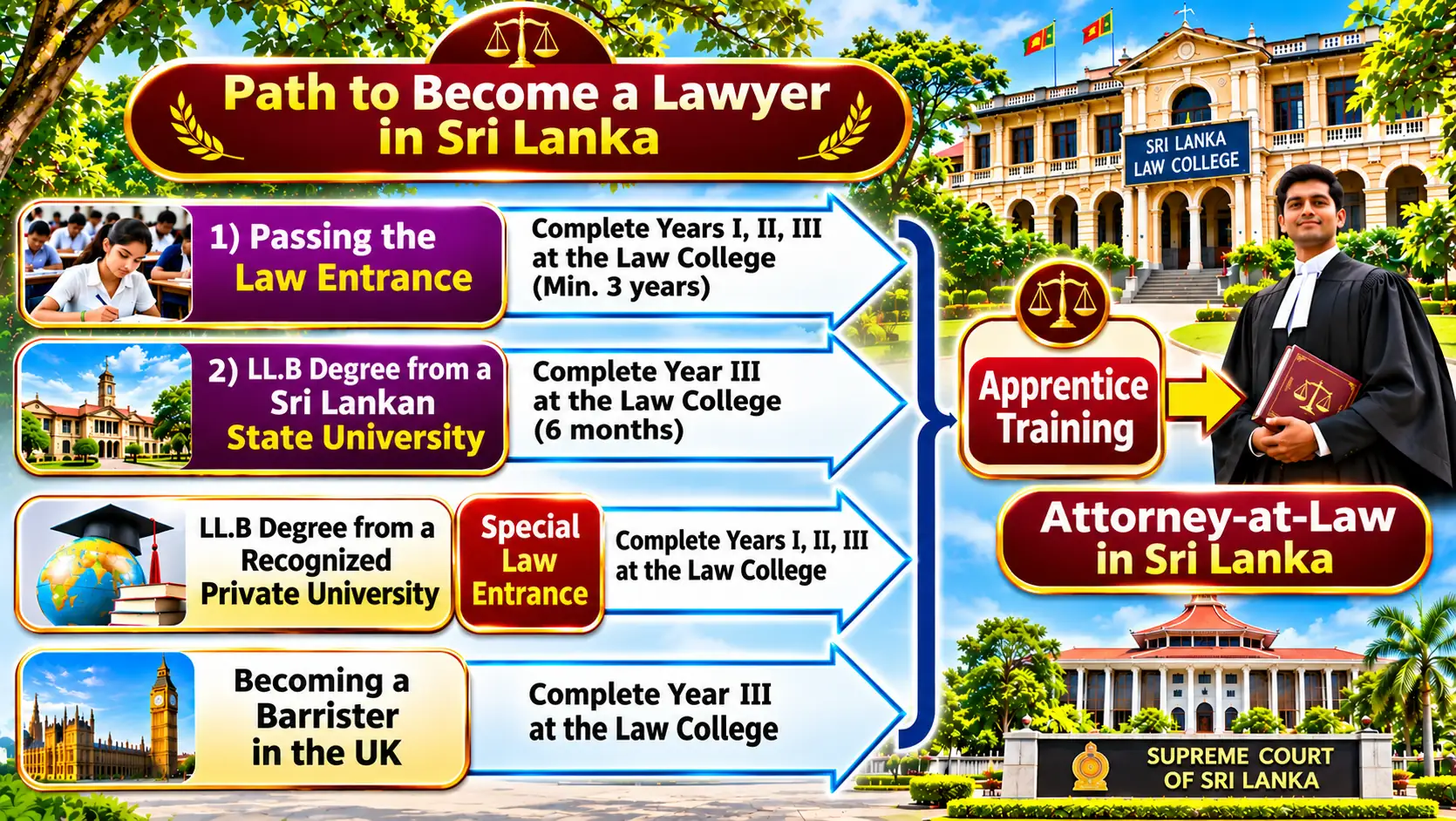
There are four main pathways to becoming an Attorney-at-Law in Sri Lanka:
- Law College Entrance Examination: Pass the entrance examination and complete Years I, II and III at Sri Lanka Law College (minimum 3 years).
- LL.B from a Sri Lankan State University: Obtain an LL.B degree and complete the required Law College examinations (approximately 6 months).
- LL.B from a Recognized Private University: Obtain a recognized LL.B degree, pass the Special Law Entrance Examination where required, and complete the prescribed Law College examinations.
- Barrister Qualification in the UK: Qualify as a Barrister in the United Kingdom and complete the applicable Sri Lanka Law College requirements.
After completing the relevant academic and professional requirements, candidates must undergo apprenticeship training and satisfy the admission requirements to become an Attorney-at-Law of the Supreme Court of Sri Lanka.
LAWYERS – A Profession That Shapes Society
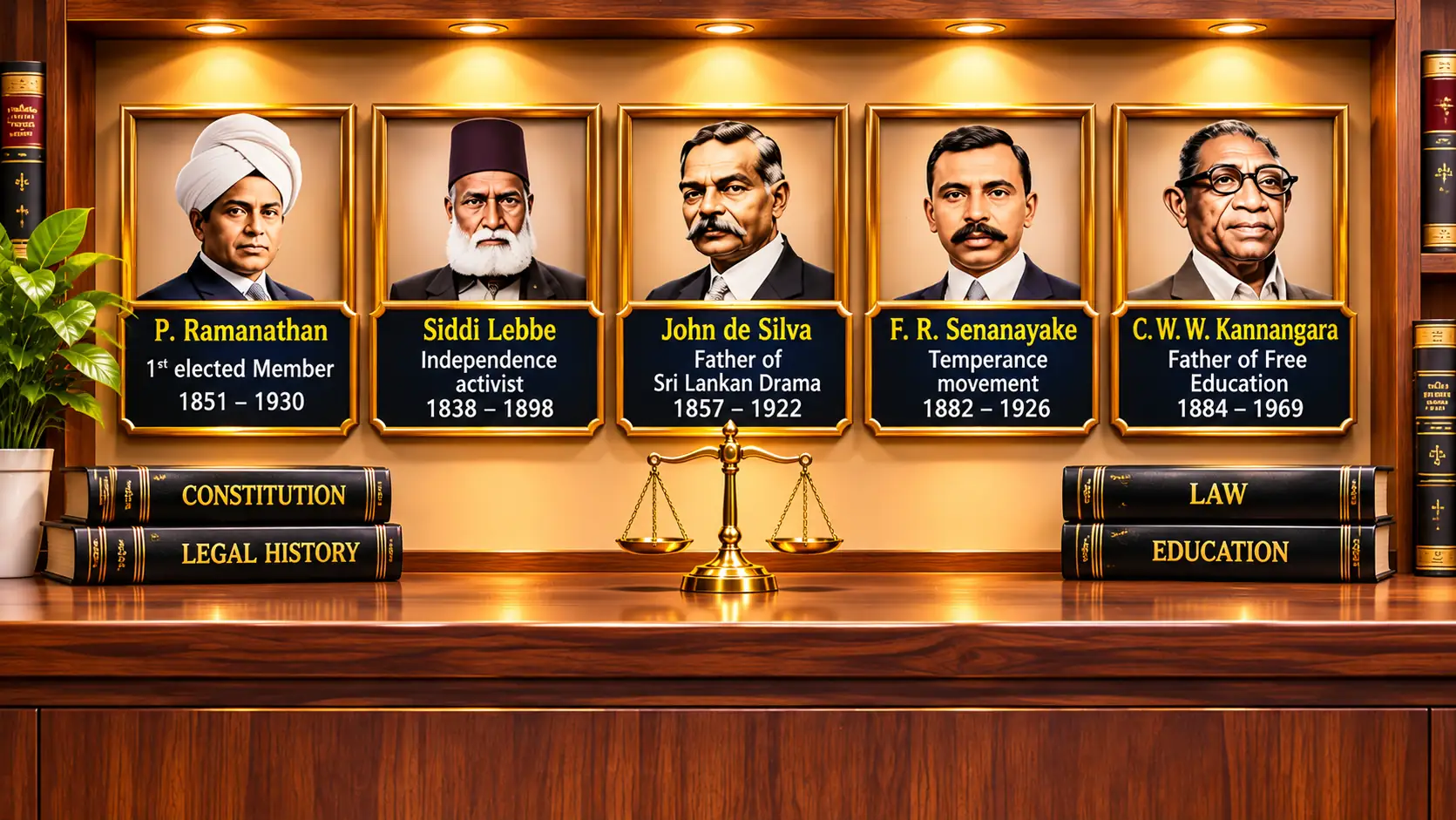
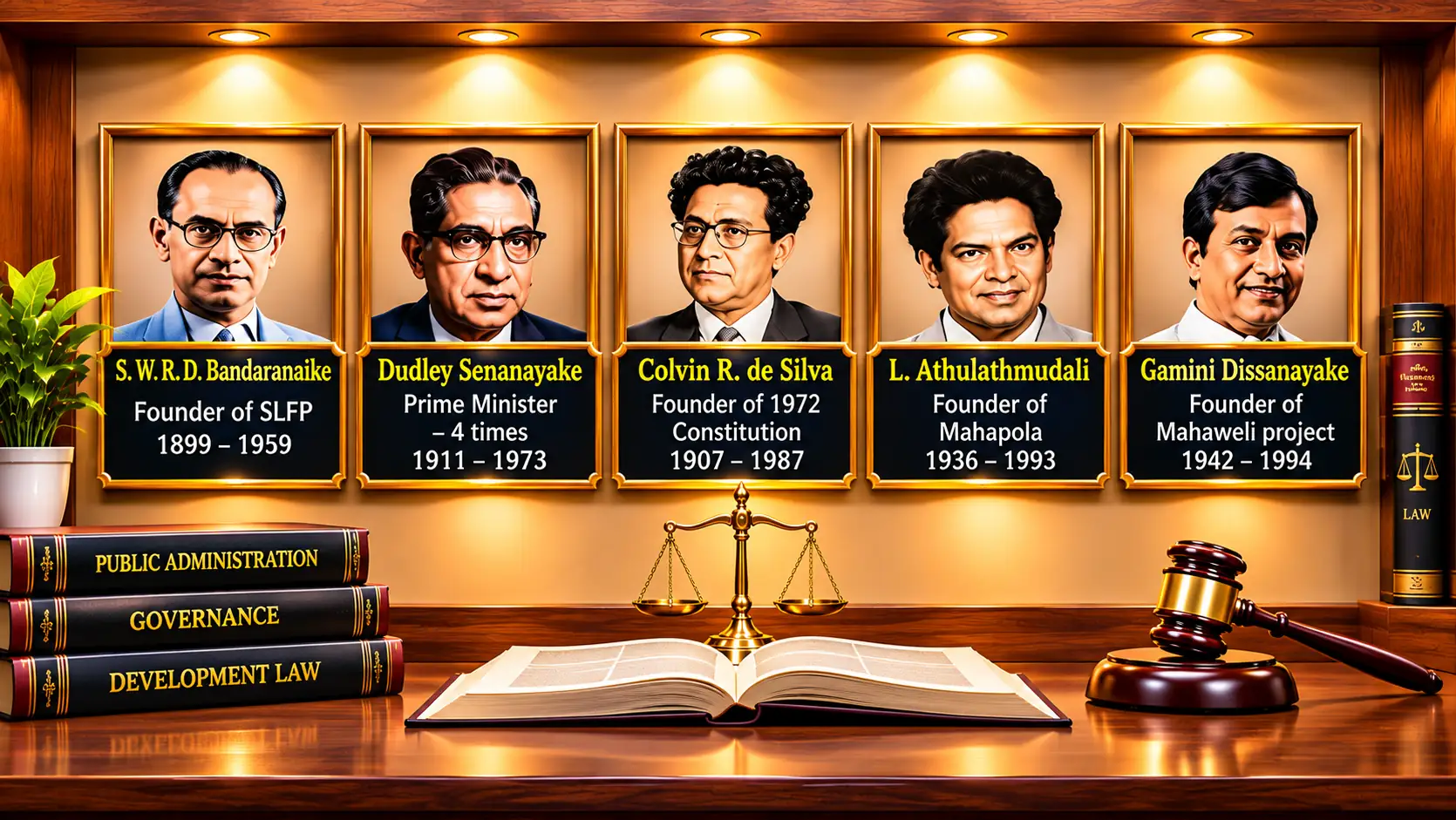
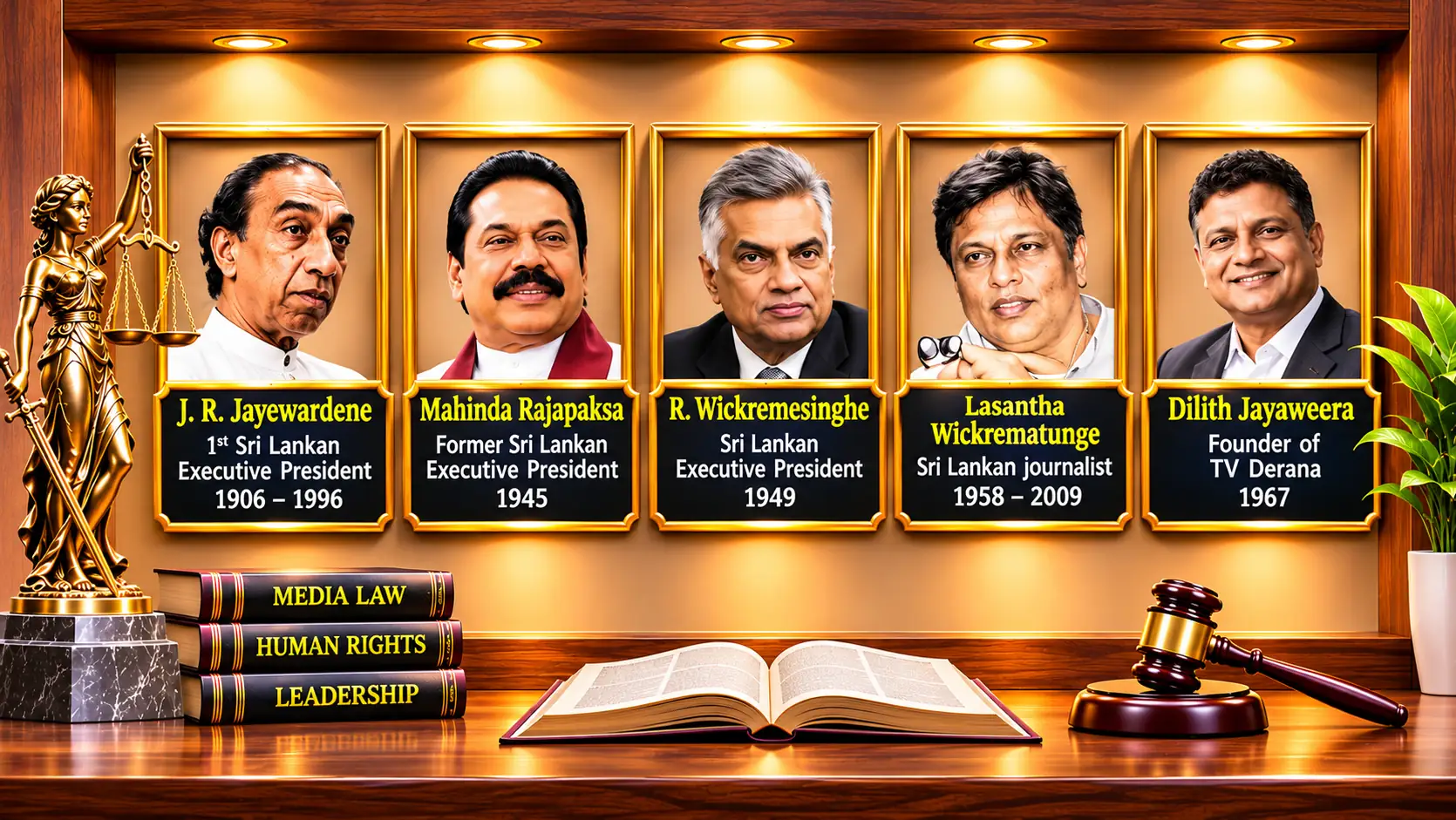
The legal profession has produced influential figures in politics, governance, business, education and social reform. Lawyers have contributed to shaping nations, protecting freedoms, establishing institutions and transforming societies.
Your journey towards becoming an Attorney-at-Law can begin with the right legal education.
Pramuka Law School – Your Success, Our Mission.
නීති වෘත්තිය පිළිබඳ හැඳින්වීමක්
නීතිඥවරයෙකු වීම දක්වා ඔබේ ගමන
ප්රශ්නය: ඔබ ගෞරවනීය නීති වෘත්තියට එක්වීමට අපේක්ෂා කරනවාද?
නීති වෘත්තිය සමාජයේ ඉතාමත් ගෞරවයට පාත්ර වූ වෘත්තීන්ගෙන් එකකි. නීතිඥවරයෙකු වීමෙන් යුක්තිය ඉටු කිරීමට දායක වීම, මූලික අයිතිවාසිකම් ආරක්ෂා කිරීම, ප්රජාවට සේවය කිරීම සහ සාර්ථක වෘත්තීය ජීවිතයක් ගොඩනගා ගැනීම සඳහා අවස්ථා ලැබේ.
ප්රශ්නය: රැකියාවක නිරත පුද්ගලයෙකුට නීති ක්ෂේත්රයේ වෘත්තීය ජීවිතයක් ගොඩනගා ගත හැකිද?
ඔව්. රාජ්ය අංශයේ, පෞද්ගලික අංශයේ හෝ වෙනත් වෘත්තීන්හි සේවය කරන පුද්ගලයන්ට අධ්යයන වැඩසටහන අනුව තම රැකියාව දිගටම කරගෙන යන අතරතුර නීති අධ්යාපනය හැදෑරිය හැකිය. නීති සුදුසුකම් මඟින් ඔවුන්ගේ වෘත්තීය දැනුම වැඩිදියුණු කර නව වෘත්තීය අවස්ථා විවෘත කරගත හැකිය.
ප්රශ්නය: නීති වෘත්තිය ගෞරවනීය වෘත්තියක් ලෙස සැලකෙන්නේ ඇයි?
නීතියේ ආධිපත්යය ආරක්ෂා කිරීම, යුක්තිය ඉටු කිරීම, පුද්ගල අයිතිවාසිකම් වෙනුවෙන් පෙනී සිටීම සහ ප්රජාතන්ත්රවාදය ශක්තිමත් කිරීම සඳහා නීතිඥවරුන් අත්යවශ්ය කාර්යභාරයක් ඉටු කරති. ඔවුන්ගේ වෘත්තීය වගකීම් සහ සමාජයට කරන සේවය හේතුවෙන් නීති වෘත්තියට ඉහළ ගෞරවයක් හිමි වේ.
ප්රශ්නය: නීති වෘත්තියේ ඓතිහාසික ආරම්භය කුමක්ද?
නීති වෘත්තියේ මූලාරම්භය පුරාණ ශිෂ්ටාචාර දක්වා දිව යයි. විශේෂයෙන් ග්රීසියේ සහ රෝමයේ නීතිමය ආරවුල්වලදී පුද්ගලයන් වෙනුවෙන් පෙනී සිටි නියෝජිතයන් සිටියහ. සියවස් ගණනාවක් පුරා මෙම වෘත්තිය එංගලන්තය ඇතුළු යුරෝපයේ විධිමත් නීති පද්ධති බවට වර්ධනය විය.
ප්රශ්නය: නූතන නීති වෘත්තිය ශ්රී ලංකාවට හඳුන්වා දුන්නේ කෙසේද?
ශ්රී ලංකාවේ නූතන නීති වෘත්තිය බ්රිතාන්ය යටත් විජිත පාලන සමයේදී සැලකිය යුතු ලෙස වර්ධනය විය. බ්රිතාන්ය නීති ආයතන සහ ක්රියාපටිපාටි ක්රමයෙන් හඳුන්වා දීමත් සමඟ ලංකාවේ අධිකරණ සංවිධානයට සහ නීති වෘත්තීය භාවිතයට බලපෑම් ඇති විය.
ප්රශ්නය: 1833 යුක්තිය පිළිබඳ ප්රඥප්තියේ (Charter of Justice) වැදගත්කම කුමක්ද?
1833 යුක්තිය පිළිබඳ ප්රඥප්තිය මඟින් ලංකාවේ අධිකරණ පද්ධතිය ප්රතිසංවිධානය කර ඒකාබද්ධ අධිකරණ පද්ධතියක් ස්ථාපිත කරන ලදී. යුක්තිය පසිඳලීමේදී සහ නීති වෘත්තිකයන් නියාමනය කිරීමේදී ශ්රේෂ්ඨාධිකරණයේ කාර්යභාරය ද එමඟින් ශක්තිමත් විය.
ප්රශ්නය: ශ්රී ලංකාවේ විධිමත් නීති අධ්යාපනය ආරම්භ වූයේ කවදාද?
ශ්රී ලංකාවේ ආයතනික නීති අධ්යාපනය 1874 වර්ෂයේදී ලංකා නීති විද්යාලය (Ceylon Law College) පිහිටුවීමත් සමඟ ආරම්භ විය. වර්තමානයේ ශ්රී ලංකා නීති විද්යාලය ලෙස හැඳින්වෙන එය රටේ වෘත්තීය නීති අධ්යාපනය සඳහා ප්රධාන ආයතනය බවට පත්විය.
ප්රශ්නය: අතීතයේ නීති වෘත්තිකයන්ගේ ප්රධාන කාණ්ඩ දෙක කුමක්ද?
ඒකාබද්ධ නීති වෘත්තිය හඳුන්වා දීමට පෙර ශ්රී ලංකාවේ නීති වෘත්තිකයන් ප්රධාන කාණ්ඩ දෙකකට බෙදා තිබුණි:
- Advocates (අධිනීතිඥවරු): ප්රධාන වශයෙන් අධිකරණ ඉදිරියේ නඩු ඉදිරිපත් කිරීම සහ කරුණු තර්ක කිරීම සඳහා වගකිව යුතු වූහ.
- Proctors (ලේඛනගත නීතිඥවරු): ප්රධාන වශයෙන් නීති ලේඛන සකස් කිරීම, නඩු කටයුතු කළමනාකරණය කිරීම සහ සේවාදායකයන් සමඟ සෘජුව කටයුතු කිරීම සිදු කළහ.
ප්රශ්නය: ඒකාබද්ධ නීතිඥ වෘත්තිය හඳුන්වා දුන්නේ කවදාද?
1973 අංක 44 දරන යුක්තිය පසිඳලීමේ නීතිය මඟින් Advocates සහ Proctors අතර පැවති වෙනස අහෝසි කර, Attorney-at-Law (නීතිඥ) යන ඒකාබද්ධ වෘත්තීය නාමය හඳුන්වා දෙන ලදී.
ප්රශ්නය: ශ්රී ලංකාවේ Attorney-at-Law (නීතිඥවරයෙකු) යනු කවුද?
Attorney-at-Law යනු ශ්රී ලංකා ශ්රේෂ්ඨාධිකරණය විසින් වෘත්තියේ පිළිගෙන ලියාපදිංචි කරන ලද, අදාළ වෘත්තීය නීතිරීතිවලට යටත්ව නීති වෘත්තියේ නිරත වීමට බලය ඇති නීති වෘත්තිකයෙකි.
ප්රශ්නය: නීතිඥවරුන්ට ලබාගත හැකි වෘත්තීය අවස්ථා මොනවාද?
නීති වෘත්තිකයන්ට නඩු කටයුතු, සමාගම් නීතිය, රාජ්ය පරිපාලනය, නීති උපදේශනය, අධ්යයන ක්ෂේත්රය, ජාත්යන්තර සංවිධාන, මානව හිමිකම්, බැංකුකරණය, ව්යාපාර සහ වෙනත් විශේෂිත ක්ෂේත්රවල වෘත්තීය අවස්ථා ලබාගත හැකිය.
ප්රශ්නය: වෙනත් වෘත්තිකයන්ට නීති දැනුම වැදගත් වන්නේ ඇයි?
නීති දැනුම මඟින් වෘත්තිකයන්ට තම අයිතිවාසිකම්, වගකීම්, ගිවිසුම්, නියාමන බැඳීම් සහ තීරණ ගැනීමේ ක්රියාවලීන් අවබෝධ කර ගැනීමට උපකාරී වේ. රාජ්ය නිලධාරීන්ට, ව්යාපාරික විධායක නිලධාරීන්ට, පරිපාලකයන්ට සහ ව්යවසායකයන්ට එය විශේෂයෙන් වැදගත් වේ.
ප්රශ්නය: නීතිඥවරුන්ට රාජ්ය පාලනයේ සහ ව්යාපාරික ක්ෂේත්රයේ නායකයන් විය හැකිද?
ඔව්. නීති අධ්යාපනය මඟින් විශ්ලේෂණාත්මක චින්තනය, සන්නිවේදනය, සාකච්ඡා කිරීම සහ තීරණ ගැනීමේ කුසලතා වර්ධනය වේ. බොහෝ නීතිඥවරුන් රාජ්ය පාලනය, පාර්ලිමේන්තුව, රාජ්ය ආයතන, පෞද්ගලික සමාගම් සහ ජාත්යන්තර සංවිධානවල නායකත්ව තනතුරු හොබවා ඇත.
ප්රශ්නය: නීතිඥයෙකු වීම මුදල් ඉපයීම සහ සමාජ තත්ත්වය ලබාගැනීම පමණක්ද?
නැත. මෙම වෘත්තිය මඟින් මූල්යමය සහ වෘත්තීය අවස්ථා ලැබිය හැකි වුවද, එහි මූලික අරමුණ යුක්තිය ඉටු කිරීමට සේවය කිරීම, නීතිමය අයිතිවාසිකම් ආරක්ෂා කිරීම, ආචාරධර්ම පවත්වාගෙන යාම සහ සමාජයට දායක වීමයි.
ප්රශ්නය: ඔබ Attorney-at-Law (නීතිඥවරයෙකු) වීම සලකා බැලිය යුත්තේ ඇයි?
නීතිඥයෙකු වීමෙන් වෘත්තීය දියුණුව සහ මහජන සේවය එකට එක්කර ගැනීමට අවස්ථාව ලැබේ. එමඟින් ඔබේ ආත්ම විශ්වාසය වර්ධනය කරගැනීමට, වෘත්තීය අවස්ථා පුළුල් කරගැනීමට සහ සමාජයට අර්ථවත් දායකත්වයක් ලබාදීමට අවශ්ය දැනුම ලබාගැනීමට හැකිය.
ප්රශ්නය: ශ්රී ලංකාවේ නීතිඥවරයෙකුට ලබාගත හැකි වෘත්තීය සහ ගෞරවනීය අවස්ථා මොනවාද?
ශ්රී ලංකාවේ නීතිඥවරයෙකුට Counsel, Instructing Attorney, විනිසුරු, නොතාරිස්වරයෙකු, නීති නිලධාරියෙකු හෝ සමාගම් ලේකම්වරයෙකු ලෙස කටයුතු කිරීම ඇතුළු විවිධ වෘත්තීය අවස්ථා ලබාගත හැකිය. ඒ සඳහා අදාළ සුදුසුකම් සහ පත්වීම් අවශ්යතා සපුරාලිය යුතුය. තවද, අදාළ නීතිමය අවශ්යතා අනුව දිවුරුම් කොමසාරිස්, අවිධිමත් මහේස්ත්රාත් සහ ජනාධිපති නීතිඥ වැනි ගෞරවනීය තනතුරු සහ පත්වීම් සඳහා ද සුදුසුකම් ලැබිය හැකිය.
ප්රශ්නය: ශ්රී ලංකාවේ Attorney-at-Law (නීතිඥවරයෙකු) වීමට ඇති ප්රධාන මාර්ග මොනවාද?
ශ්රී ලංකාවේ Attorney-at-Law වීමට ප්රධාන මාර්ග හතරක් ඇත:
- නීති විද්යාල ප්රවේශ විභාගය: ප්රවේශ විභාගය සමත් වී ශ්රී ලංකා නීති විද්යාලයේ පළමු, දෙවන සහ තෙවන වසර සම්පූර්ණ කිරීම (අවම වශයෙන් වසර 3ක්).
- ශ්රී ලංකාවේ රාජ්ය විශ්වවිද්යාලයකින් LL.B උපාධියක් ලබාගැනීම: LL.B උපාධිය ලබාගෙන නීති විද්යාලයේ අවශ්ය විභාග සම්පූර්ණ කිරීම (ආසන්න වශයෙන් මාස 6ක්).
- පිළිගත් පෞද්ගලික විශ්වවිද්යාලයකින් LL.B උපාධියක් ලබාගැනීම: පිළිගත් LL.B උපාධියක් ලබාගෙන, අවශ්ය අවස්ථාවල විශේෂ නීති ප්රවේශ විභාගය සමත් වී, නීති විද්යාලයේ නියමිත විභාග සම්පූර්ණ කිරීම.
- එක්සත් රාජධානියේ Barrister සුදුසුකම ලබාගැනීම: එක්සත් රාජධානියේ Barrister සුදුසුකම ලබාගෙන, ශ්රී ලංකා නීති විද්යාලයේ අදාළ අවශ්යතා සම්පූර්ණ කිරීම.
අදාළ අධ්යයන සහ වෘත්තීය අවශ්යතා සම්පූර්ණ කිරීමෙන් පසු, අපේක්ෂකයන් ශ්රී ලංකා ශ්රේෂ්ඨාධිකරණයේ නීතිඥවරයෙකු ලෙස පිළිගැනීමට අවශ්ය ආධුනික පුහුණුව සම්පූර්ණ කර අනෙකුත් ඇතුළත් වීමේ අවශ්යතා ද සපුරාලිය යුතුය.
නීතිඥවරු – සමාජය හැඩගස්වන වෘත්තියක්
නීති වෘත්තිය තුළින් දේශපාලනය, රාජ්ය පාලනය, ව්යාපාර, අධ්යාපනය සහ සමාජ ප්රතිසංස්කරණ ක්ෂේත්රවල බලපෑම් ඇති කළ ප්රමුඛ පුද්ගලයන් බිහි වී ඇත. ජාතීන් ගොඩනැගීම, නිදහස ආරක්ෂා කිරීම, ආයතන පිහිටුවීම සහ සමාජ පරිවර්තනය සඳහා නීතිඥවරුන් දායක වී ඇත.
නිවැරදි නීති අධ්යාපනය සමඟ Attorney-at-Law (නීතිඥවරයෙකු) වීමේ ඔබේ ගමන ආරම්භ කළ හැකිය.
ප්රමුක නීති පාසල – ඔබේ සාර්ථකත්වය, අපගේ මෙහෙවරයි.
சட்டத் தொழில் பற்றிய அறிமுகம்
சட்டத்தரணியாக மாறுவதற்கான உங்கள் பயணம்
கேள்வி: மதிப்புமிக்க சட்டத் தொழிலில் இணைவது உங்கள் இலட்சியமா?
சட்டத் தொழில் சமூகத்தில் மிகவும் மதிக்கப்படும் தொழில்களில் ஒன்றாகும். சட்டத்தரணியாக மாறுவதன் மூலம் நீதியை நிலைநாட்டுதல், அடிப்படை உரிமைகளைப் பாதுகாத்தல், சமூகத்திற்குச் சேவையாற்றுதல் மற்றும் சிறந்த தொழில்முறை வாழ்க்கையை உருவாக்குதல் போன்ற வாய்ப்புகள் கிடைக்கின்றன.
கேள்வி: ஏற்கனவே தொழிலில் ஈடுபட்டுள்ள ஒருவர் சட்டத்துறையில் ஒரு தொழில் வாழ்க்கையைத் தொடர முடியுமா?
ஆம். அரசுத் துறை, தனியார் துறை அல்லது ஏனைய தொழில்களில் பணிபுரிபவர்கள், தமது கல்வித் திட்டத்தைப் பொறுத்து, பணியைத் தொடர்ந்துகொண்டே சட்டக் கல்வியைப் பயில முடியும். சட்டத் தகைமைகள் அவர்களின் தொழில்முறை அறிவை மேம்படுத்துவதுடன் புதிய தொழில் வாய்ப்புகளையும் உருவாக்குகின்றன.
கேள்வி: சட்டத் தொழில் ஏன் மதிப்புமிக்க தொழிலாகக் கருதப்படுகிறது?
சட்டத்தின் ஆட்சியைப் பாதுகாத்தல், நீதியை நிலைநாட்டுதல், தனிநபர் உரிமைகளைப் பாதுகாத்தல் மற்றும் ஜனநாயகத்தை வலுப்படுத்துதல் ஆகியவற்றில் சட்டத்தரணிகள் முக்கிய பங்கு வகிக்கின்றனர். அவர்களின் தொழில்முறை பொறுப்புகளும் சமூகத்திற்கான பங்களிப்பும் சட்டத் தொழிலுக்கு உயர்ந்த மதிப்பை அளிக்கின்றன.
கேள்வி: சட்டத் தொழிலின் வரலாற்றுத் தோற்றம் என்ன?
சட்டத் தொழிலின் வேர்கள் பண்டைய நாகரிகங்களுக்குச் செல்கின்றன. குறிப்பாக கிரேக்கம் மற்றும் ரோமில் சட்டத் தகராறுகளில் தனிநபர்கள் சார்பாக வாதாடிய பிரதிநிதிகள் இருந்தனர். பல நூற்றாண்டுகளாக இந்தத் தொழில் இங்கிலாந்து உட்பட ஐரோப்பா முழுவதும் ஒழுங்கமைக்கப்பட்ட சட்ட அமைப்புகளாக வளர்ச்சியடைந்தது.
கேள்வி: நவீன சட்டத் தொழில் இலங்கைக்கு எவ்வாறு அறிமுகப்படுத்தப்பட்டது?
இலங்கையில் நவீன சட்டத் தொழில் பிரித்தானிய காலனித்துவ ஆட்சிக் காலத்தில் குறிப்பிடத்தக்க வகையில் வளர்ச்சியடைந்தது. பிரித்தானிய சட்ட நிறுவனங்களும் நடைமுறைகளும் படிப்படியாக அறிமுகப்படுத்தப்பட்டதால், இலங்கையின் நீதிமன்ற அமைப்பிலும் சட்டத் தொழில் நடைமுறையிலும் மாற்றங்கள் ஏற்பட்டன.
கேள்வி: 1833 ஆம் ஆண்டின் நீதிச் சாசனத்தின் (Charter of Justice) முக்கியத்துவம் என்ன?
1833 ஆம் ஆண்டின் நீதிச் சாசனம் இலங்கையின் நீதித்துறை அமைப்பை மறுசீரமைத்து ஒருங்கிணைந்த நீதிமன்றக் கட்டமைப்பை நிறுவியது. நீதி நிர்வாகத்திலும் சட்டத் தொழிலில் ஈடுபடுவோரை ஒழுங்குபடுத்துவதிலும் உச்ச நீதிமன்றத்தின் பங்கையும் இது வலுப்படுத்தியது.
கேள்வி: இலங்கையில் முறையான சட்டக் கல்வி எப்போது ஆரம்பமானது?
இலங்கையில் நிறுவனமயமான சட்டக் கல்வி 1874 ஆம் ஆண்டில் Ceylon Law College நிறுவப்பட்டதன் மூலம் ஆரம்பமானது. தற்போது Sri Lanka Law College என அழைக்கப்படும் இந்நிறுவனம் நாட்டின் தொழில்முறை சட்டக் கல்விக்கான பிரதான நிறுவனமாக வளர்ச்சியடைந்தது.
கேள்வி: கடந்த காலத்தில் சட்டத் தொழிலில் ஈடுபட்டவர்கள் எந்த இரண்டு முக்கிய பிரிவுகளாகப் பிரிக்கப்பட்டிருந்தனர்?
ஒருங்கிணைந்த சட்டத் தொழில் அறிமுகப்படுத்தப்படுவதற்கு முன்னர், இலங்கையில் சட்டத் தொழிலில் ஈடுபட்டவர்கள் இரண்டு முக்கிய பிரிவுகளாகப் பிரிக்கப்பட்டிருந்தனர்:
- Advocates (வழக்குரைஞர்கள்): முக்கியமாக நீதிமன்றங்களில் வழக்குகளை முன்வைத்து வாதாடும் பொறுப்பைக் கொண்டிருந்தனர்.
- Proctors (சட்ட ஆவணத் தயாரிப்பாளர்கள்): முக்கியமாக சட்ட ஆவணங்களைத் தயாரித்தல், வழக்குகளை நிர்வகித்தல் மற்றும் வாடிக்கையாளர்களுடன் நேரடியாகத் தொடர்புகொள்ளுதல் போன்ற பணிகளை மேற்கொண்டனர்.
கேள்வி: ஒருங்கிணைந்த சட்டத்தரணி தொழில் எப்போது அறிமுகப்படுத்தப்பட்டது?
1973 ஆம் ஆண்டின் 44 ஆம் இலக்க நீதிநிர்வாகச் சட்டம் Advocates மற்றும் Proctors ஆகியோருக்கிடையிலான வேறுபாட்டை நீக்கி, Attorney-at-Law என்ற ஒருங்கிணைந்த தொழில்முறைப் பெயரை அறிமுகப்படுத்தியது.
கேள்வி: இலங்கையில் Attorney-at-Law (சட்டத்தரணி) என்பவர் யார்?
Attorney-at-Law என்பவர் இலங்கை உச்ச நீதிமன்றத்தினால் தொழிலில் அனுமதிக்கப்பட்டு பதிவுசெய்யப்பட்ட, பொருந்தக்கூடிய தொழில்முறை விதிமுறைகளுக்கு உட்பட்டு சட்டத் தொழிலில் ஈடுபடுவதற்கு அதிகாரம் பெற்ற சட்ட வல்லுநராவார்.
கேள்வி: சட்டத்தரணிகளுக்கு என்ன தொழில் வாய்ப்புகள் உள்ளன?
சட்ட வல்லுநர்கள் வழக்காடல், நிறுவனச் சட்டம், பொது நிர்வாகம், சட்ட ஆலோசனை, கல்வித்துறை, சர்வதேச அமைப்புகள், மனித உரிமைகள், வங்கித்துறை, வணிகம் மற்றும் ஏனைய சிறப்புத் துறைகளில் தொழில் வாய்ப்புகளைப் பெற்றுக்கொள்ள முடியும்.
கேள்வி: ஏனைய தொழில்களில் ஈடுபடுவோருக்கு சட்ட அறிவு ஏன் பயனுள்ளதாகும்?
சட்ட அறிவு ஒருவரின் உரிமைகள், பொறுப்புகள், ஒப்பந்தங்கள், ஒழுங்குமுறை கடமைகள் மற்றும் தீர்மானம் எடுக்கும் நடைமுறைகள் ஆகியவற்றைப் புரிந்துகொள்ள உதவுகிறது. குறிப்பாக அரச உத்தியோகத்தர்கள், வணிக நிர்வாகிகள், நிர்வாகப் பணியாளர்கள் மற்றும் தொழில்முனைவோருக்கு இது மிகவும் பயனுள்ளதாகும்.
கேள்வி: சட்டத்தரணிகள் அரசாங்கத்திலும் வணிகத்துறையிலும் தலைவர்களாக மாற முடியுமா?
ஆம். சட்டக் கல்வி பகுப்பாய்வு சிந்தனை, தொடர்பாடல், பேச்சுவார்த்தை மற்றும் தீர்மானம் எடுக்கும் திறன்களை வளர்க்கிறது. பல சட்டத்தரணிகள் அரசாங்கம், பாராளுமன்றம், அரச நிறுவனங்கள், தனியார் நிறுவனங்கள் மற்றும் சர்வதேச அமைப்புகளில் தலைமைப் பொறுப்புகளை வகித்துள்ளனர்.
கேள்வி: சட்டத்தரணியாவதன் நோக்கம் பணம் சம்பாதிப்பதும் சமூக அந்தஸ்தைப் பெறுவதும் மட்டும்தானா?
இல்லை. இத்தொழில் நிதி மற்றும் தொழில்முறை வாய்ப்புகளை வழங்கக்கூடியதாக இருந்தாலும், அதன் அடிப்படை நோக்கம் நீதிக்குச் சேவையாற்றுதல், சட்ட உரிமைகளைப் பாதுகாத்தல், தொழில்முறை ஒழுக்கநெறிகளைப் பேணுதல் மற்றும் சமூகத்திற்கு பங்களிப்புச் செய்தல் ஆகும்.
கேள்வி: நீங்கள் ஏன் Attorney-at-Law (சட்டத்தரணி) ஆவதைப் பரிசீலிக்க வேண்டும்?
சட்டத்தரணியாவதன் மூலம் தொழில்முறை முன்னேற்றத்தையும் பொதுச் சேவையையும் ஒருங்கிணைக்கும் வாய்ப்பு கிடைக்கிறது. இது உங்கள் தன்னம்பிக்கையை மேம்படுத்தவும், தொழில் வாய்ப்புகளை விரிவுபடுத்தவும், சமூகத்திற்கு அர்த்தமுள்ள பங்களிப்பை வழங்கத் தேவையான அறிவைப் பெறவும் உதவும்.
கேள்வி: இலங்கையில் சட்டத்தரணியாக இருப்பவருக்கு என்ன தொழில்முறை மற்றும் கௌரவ வாய்ப்புகள் உள்ளன?
இலங்கையில் ஒரு சட்டத்தரணி Counsel, Instructing Attorney, நீதிபதி, நோட்டரி பப்ளிக், சட்ட அதிகாரி அல்லது நிறுவனச் செயலாளர் போன்ற பல்வேறு பதவிகளில் பணியாற்ற முடியும். இதற்குத் தொடர்புடைய தகைமைகள் மற்றும் நியமனத் தேவைகளைப் பூர்த்தி செய்ய வேண்டும். மேலும், பொருந்தக்கூடிய சட்டத் தேவைகளுக்கு உட்பட்டு Commissioner for Oaths, Unofficial Magistrate மற்றும் President’s Counsel போன்ற கௌரவப் பதவிகளையும் பெறுவதற்குத் தகுதி பெறலாம்.
கேள்வி: இலங்கையில் Attorney-at-Law (சட்டத்தரணி) ஆவதற்கான முக்கிய வழிகள் யாவை?
இலங்கையில் Attorney-at-Law ஆவதற்கு நான்கு முக்கிய வழிகள் உள்ளன:
- சட்டக் கல்லூரி நுழைவுப் பரீட்சை: நுழைவுப் பரீட்சையில் சித்தியடைந்து இலங்கை சட்டக் கல்லூரியின் முதலாம், இரண்டாம் மற்றும் மூன்றாம் ஆண்டுகளைப் பூர்த்தி செய்தல் (குறைந்தது 3 ஆண்டுகள்).
- இலங்கை அரச பல்கலைக்கழகத்தில் LL.B பட்டம்: LL.B பட்டத்தைப் பெற்று சட்டக் கல்லூரியின் தேவையான பரீட்சைகளைப் பூர்த்தி செய்தல் (சுமார் 6 மாதங்கள்).
- அங்கீகரிக்கப்பட்ட தனியார் பல்கலைக்கழகத்தில் LL.B பட்டம்: அங்கீகரிக்கப்பட்ட LL.B பட்டத்தைப் பெற்று, தேவைப்படும் இடங்களில் விசேட சட்ட நுழைவுப் பரீட்சையில் சித்தியடைந்து, சட்டக் கல்லூரியின் பரிந்துரைக்கப்பட்ட பரீட்சைகளைப் பூர்த்தி செய்தல்.
- ஐக்கிய இராச்சியத்தில் Barrister தகைமை: ஐக்கிய இராச்சியத்தில் Barrister தகைமையைப் பெற்று, இலங்கை சட்டக் கல்லூரியின் பொருந்தக்கூடிய தேவைகளைப் பூர்த்தி செய்தல்.
தொடர்புடைய கல்வி மற்றும் தொழில்முறைத் தேவைகளைப் பூர்த்தி செய்த பின்னர், இலங்கை உச்ச நீதிமன்றத்தின் சட்டத்தரணியாக அனுமதி பெறுவதற்குத் தேவையான பயிலுநர் பயிற்சியையும் ஏனைய அனுமதித் தேவைகளையும் பூர்த்தி செய்ய வேண்டும்.
சட்டத்தரணிகள் – சமூகத்தை வடிவமைக்கும் ஒரு தொழில்
அரசியல், ஆட்சி நிர்வாகம், வணிகம், கல்வி மற்றும் சமூகச் சீர்திருத்தம் போன்ற துறைகளில் செல்வாக்கு செலுத்திய பல முக்கிய நபர்களை சட்டத் தொழில் உருவாக்கியுள்ளது. நாடுகளை உருவாக்குதல், சுதந்திரங்களைப் பாதுகாத்தல், நிறுவனங்களை நிறுவுதல் மற்றும் சமூகங்களை மாற்றியமைத்தல் ஆகியவற்றில் சட்டத்தரணிகள் பங்களித்துள்ளனர்.
சரியான சட்டக் கல்வியுடன் Attorney-at-Law ஆவதற்கான உங்கள் பயணத்தைத் தொடங்கலாம்.
பிரமுகா சட்டக் கல்லூரி – உங்கள் வெற்றி, எங்கள் இலட்சியம்.